Before we go all nuclear…

April 20, 2026
1 min read
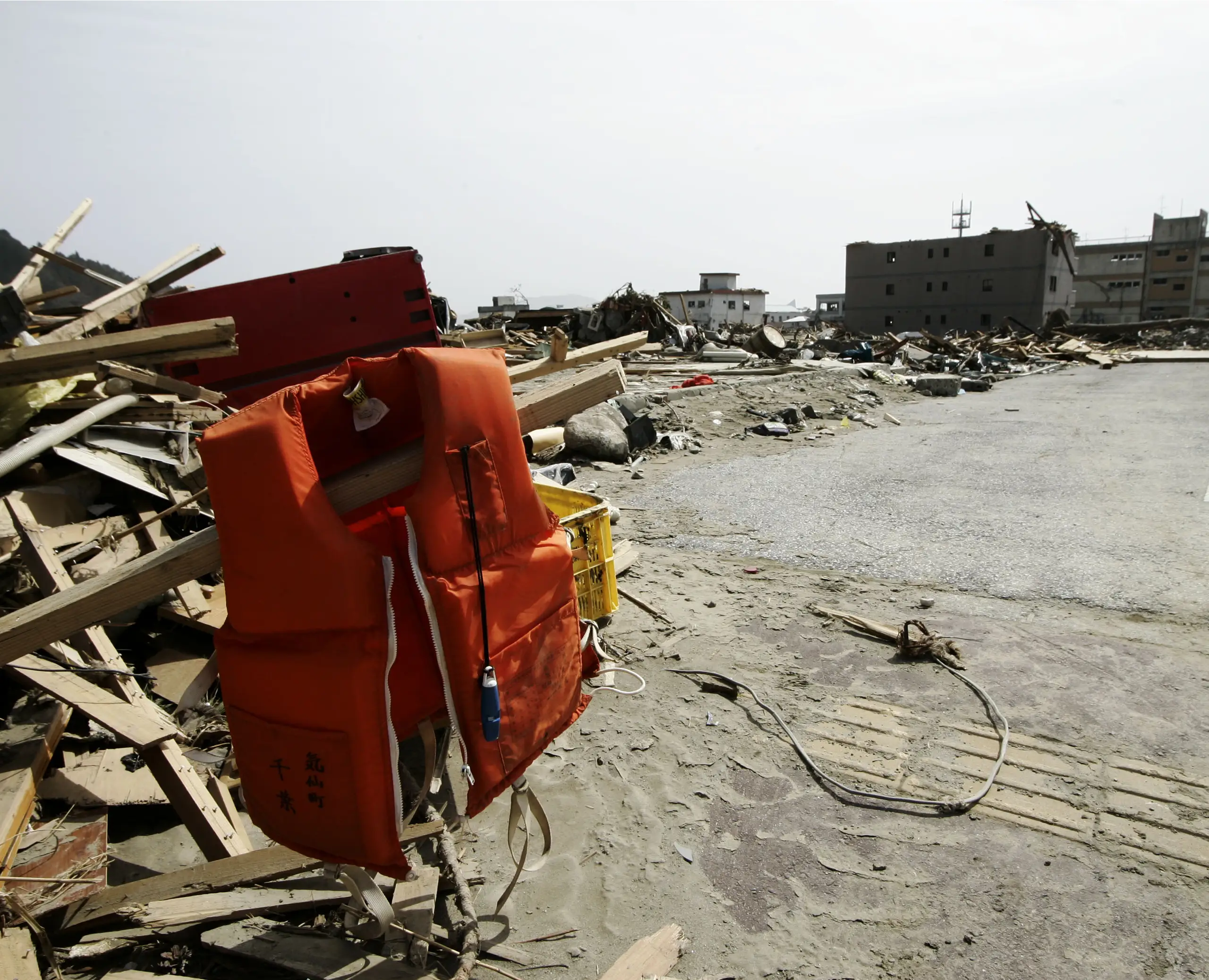
A view of debris and mud covering the tsunami-devastated city of Rikuzentakata, Japan, on March 20, 2011. On March 11, 2011, a magnitude 9.0 earthquake—the strongest in Japan’s recorded history and among the five most powerful ever worldwide—struck the region. Within an hour, coastal towns were flattened by a massive tsunami triggered by the quake. Waves up to four or five meters high swept through homes, towns, and fields, leaving widespread destruction in their wake.
Feature photo by Ryu Seungil. A view of debris and mud covering the tsunami-devastated city of Rikuzentakata, Japan, on March 20, 2011. On March 11, 2011, a magnitude 9.0 earthquake—the strongest in Japan’s recorded history and among the five most powerful ever worldwide—struck the region. Within an hour, coastal towns were flattened by a massive tsunami triggered by the quake. Waves up to four or five meters high swept through homes, towns, and fields, leaving widespread destruction in their wake.

Concerns about nuclear power have often arisen only in the wake of tragic events elsewhere.

Nearly fifteen years ago, our editor interviewed two energy experts on the safety and so-called “clean-energy” status of nuclear power, just months after the Fukushima meltdown. With the current crisis in Iran and stressed resources amid growing energy demands, the debate around nuclear power remains as urgent and relevant as ever.

Join us on Episode 115 on Late Talks on Air for the full story.

Author

Leave a Reply

Your email address will not be published.

For security, use of Google's reCAPTCHA service is required which is subject to the Google Privacy Policy and Terms of Use.

Welcome!

Sign up for our newsletter to stay in touch and hear about our upcoming live events and new releases!

Newsletter

Tune in to Our Podcast @ Late Talks on Air!

Podcast Showcase

Follow

Don't Miss