–By J.S. Porter
for Cheryl
Each night before you go to bed, my baby
Whisper a little prayer for me, my baby, yeah
And tell all the stars above
This is Dedicated to the One I Love
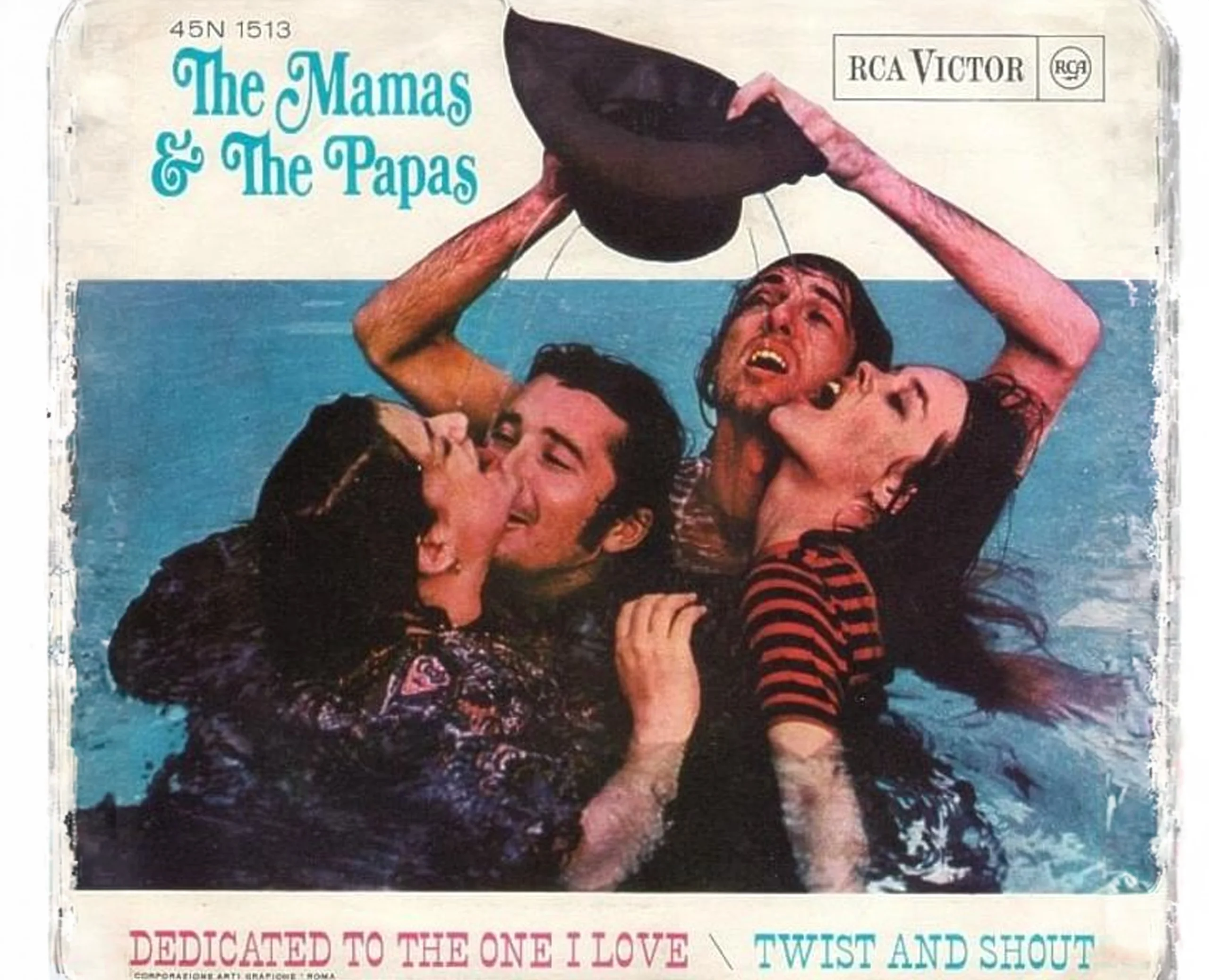
(Written by Pauling and Bass, sung by The Mamas & the Papas)
Usually when you write a book, you dedicate it to someone. A book without a dedication seems to me to be thin, lonely, like a Giacometti sculpture. I was shocked recently to pick up Patti Smith’s latest, Bread of Angels, and not see a dedication. So unlike her. She usually dedicates books to family or friends, writes about them, and takes their pictures.
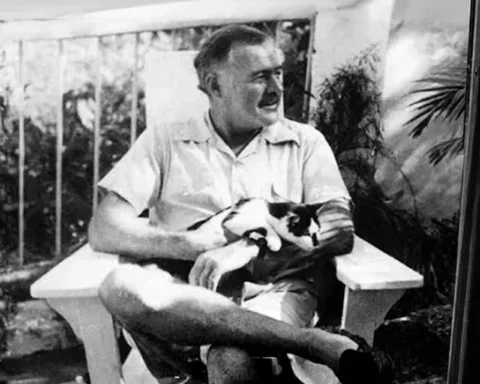
In Ernest Hemingway’s life, each new wife had a new novel dedicated to her, so:
Hadley, The Sun Also Rises
Pauline, A Farewell to Arms
Martha, For Whom the Bell Tolls
Mary, Across the River and Into the Trees
Across the River wasn’t really Mary’s book; it was written to and about his young Italian muse, Adriana, in the guise of a fictional character, Renata. Hemingway’s last major published work in his lifetime, the novella The Old Man and the Sea, was dedicated to his editor Max Perkins and his publisher Charles Scribner.
Sometimes dedications are very simple. F. Scott Fitzgerald dedicated his novels to Zelda, his wife, with these simple words of dedication in The Great Gatsby, “Once Again, to Zelda.” Vladimir Nabokov, the Russian-American author, dedicated most of his work to Véra, his wife. Other dedications are broader and more inclusive. Margaret Atwood’s dedication in Book of Lives: A Memoir of Sorts reads: “For my family, friends and readers/And for Graeme, as always.” The phrase “as always” tells you everything you need to know about who was first in her heart.
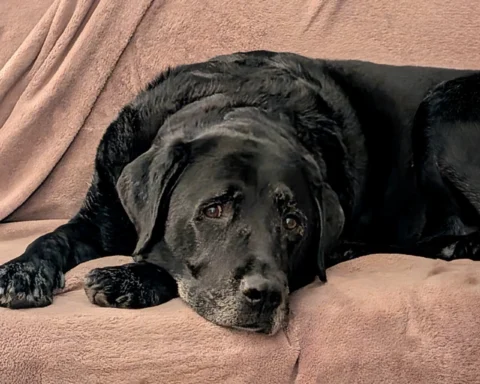
Still other dedications, such as that by Mark Dickinson in Canadian Primal, stake out a certain uniqueness, as Mark includes his dog Leelah in the dedication alongside human loved ones. Helen Humphreys in And a Dog Called Fig goes one step further in dedicating her book in a novel way, “For my dog pack.”
Albert Camus’s final, unfinished novel, The First Man, is dedicated to his mother with the poignant line: “To you who will never be able to read this book,” acknowledging her illiteracy and his loving, yet difficult, relationship with her, in the autobiographical work found with him after his fatal car crash.
William Faulkner dedicated his 1942 collection of short fiction Go Down, Moses to Caroline Barr. Barr, who was born into slavery in 1840 and died in 1940, served as the Faulkner family’s nanny and housekeeper and was a significant figure in his life.
The full dedication in the book reads:
“TO MAMMY
CAROLINE BARR
MISSISSIPPI
[1840–1940]
Who was born into slavery and who gave to my family a fidelity without stint or calculation of recompense and to my childhood an immeasurable devotion and love.”
Faulkner considered Barr one of the three most important women in his life, alongside his mother and wife. When she died, a funeral service was held in the living room of his home, and Faulkner delivered a eulogy. He also arranged for her gravestone, which is inscribed “Callie Barr Clark | 1840–1940 | “MAMMY” | Her white children bless her”.
I find when I write that I need to have someone in mind to write to or for, otherwise the act of writing seems insufferably egotistical and self-centred. For example, when I wrote my first book—The Thomas Merton Poems—I had my wife, son and daughter in mind, hoping that they would find something enjoyable in my portrayal of a poet-monk.
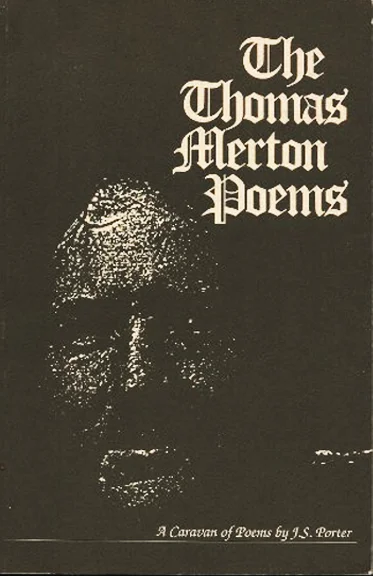
For some reason, inscrutable to me still, the dedication seemed to take the shape of a poem. It reads:
Dedication

There’s nothing here
that a good
rain
couldn’t wash
that a good
sun
couldn’t melt
that a good
wind
couldn’t tear
that a good
snow
couldn’t bury
except my love
for you Cheryl
you Daniel
and you Rachel
Maybe in dedications, sooner or later, you enact, in your own way, lines from Dennis Lee: “Tell the ones you love you/ love them/tell them now.”